latest
Shortlisted for AJ100 Climate Initiative of the Year 2026: Project RESTOR

We are delighted that Chetwoods has been shortlisted for the AJ100 Climate Initiative of the Year 2026 for our involvement in Project RESTOR - an ambitious initiative exploring how digital innovation can enable the scalable, safe and efficient reuse of structural steel within the construction industry.
Led by the University of Cambridge and University of Birmingham, Project RESTOR (Reuse of Structural Steel in Construction) addresses one of the built environment’s most significant sustainability challenges: the reuse of structural steel. Steel production is the single highest-emitting heavy industry globally, responsible for around 8% of worldwide carbon emissions. Despite steel’s recyclability, only around 15% of structural steel in the UK is currently reused directly, with the majority melted down and recycled through energy-intensive processes. RESTOR has the potential to increase steel reuse rates from 15% to more than 50%, significantly reducing embodied carbon across the construction sector.
At the heart of RESTOR is the integration of four technologies that have not previously been combined in this context: digital twins, Building Information Modelling (BIM), artificial intelligence and non-destructive testing (NDT). Together, these technologies create a robust, data-driven pathway for identifying, verifying and safely reusing reclaimed structural steel, helping establish practical frameworks for circular construction at scale.
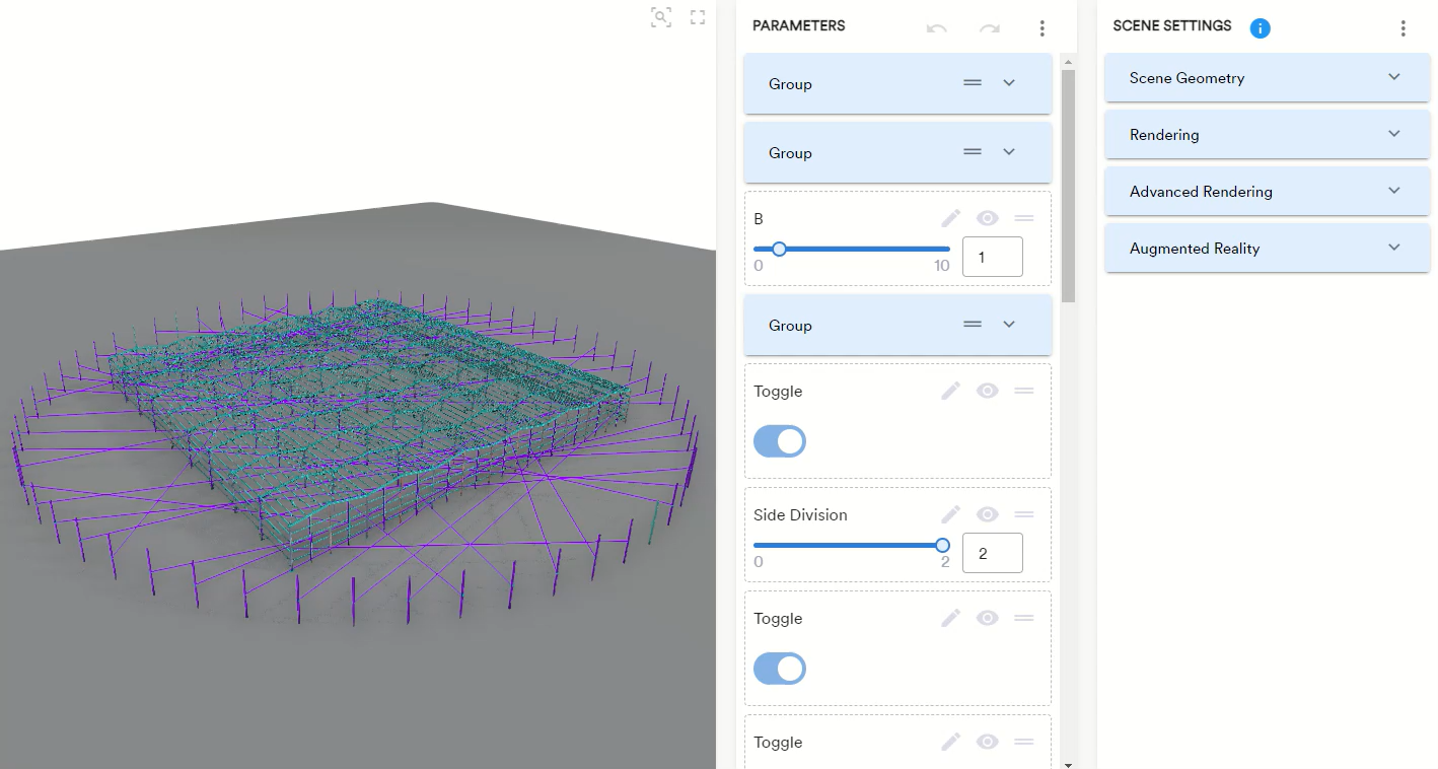
RESTOR exemplifies genuine cross-sector collaboration, bringing together academic institutions, an industry steel supplier and architectural expertise to bridge the gap between research and real-world implementation. Chetwoods acted as industrial advisor on a pro bono basis, helping bridge the gap between theoretical research and real-world application.
Our involvement included providing architectural insight and practical design integration expertise, alongside supplying real-world project data and design files used to train the generative design tool. We also contributed circular design expertise to help embed reuse thinking into early-stage workflows, while supporting a credible industry adoption pathway to ensure the research could translate into viable commercial application rather than remaining solely within academic contexts.
Our involvement aligns closely with our wider commitment to retrofit, adaptive reuse and circular design principles, alongside our ongoing research into future-focused approaches to sustainable development. Steel reuse represents a critical opportunity to reduce embodied carbon and support a more circular built environment.
With the core research phase complete, RESTOR is now accelerating towards wider industry adoption and the potential to help shape future policy, standards and procurement approaches across the sector.
The winners of the AJ100 Awards will be announced in June.
Related projects


.avif)
