latest
The Practicalities of Retrofit and Adaptive Reuse in Architectural Projects
Retrofit and Adaptive Reuse
The recent announcement that more than £600 billion worth of UK property requires energy performance upgrades by 2031 highlights the scale of the challenge facing the built environment. As energy efficiency standards tighten and investors, occupiers and regulators place increasing emphasis on building performance, retrofit is rapidly moving from an option to a necessity.
At Chetwoods, we see this not as a burden, but as an opportunity. Retrofit and adaptive reuse offer a practical route to improving building performance while unlocking value, reducing carbon emissions, and extending the life of existing assets. In many cases, the most sustainable building is the one that already exists.
The Case for Retrofit
With ambitious EPC targets and net-zero commitments driving change across the property sector, owners are facing increasing pressure to improve the performance of existing buildings. Yet demolishing and rebuilding is rarely the most sustainable solution.
Retaining and upgrading existing structures avoids the significant embodied carbon associated with demolition and new construction. It reduces waste, preserves valuable resources, and maintains continuity within our towns, cities and industrial estates. As the industry works towards higher energy performance standards, retrofit offers a way to future-proof assets while minimising environmental impact.
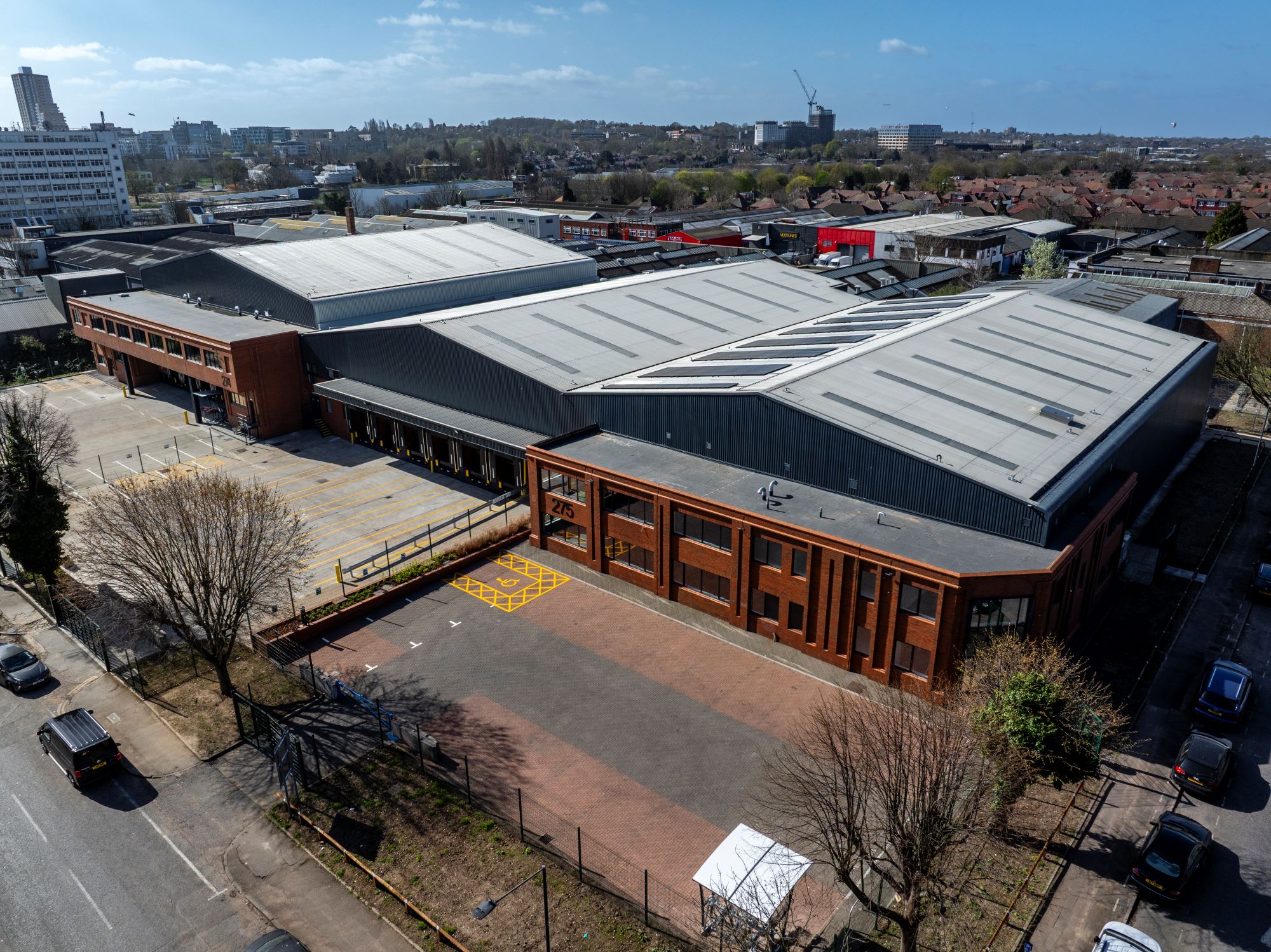
For industrial and logistics buildings in particular, improving thermal performance, operational efficiency and occupier experience within an existing shell requires both technical expertise and creative thinking. These challenges are exactly where retrofit can deliver its greatest value.
Turning Challenges into Opportunities
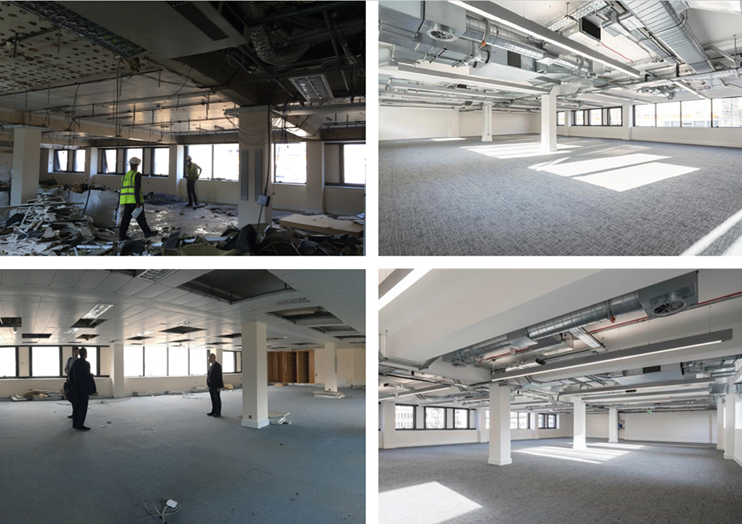
Every existing building comes with its own set of constraints. Structural limitations, ageing services, hazardous materials and undocumented alterations can all influence the scope and viability of a project.
Successful retrofit starts with understanding these risks early. Digital surveying, laser scanning, BIM modelling and digital twins allow teams to interrogate existing assets, test interventions and make informed decisions before construction begins. By combining data-led analysis with design expertise, retrofit projects can achieve significant performance improvements while managing cost and programme certainty.
Beyond Compliance
While much of the current conversation focuses on EPC ratings and energy efficiency targets, retrofit should not be viewed solely through the lens of compliance.
Many existing buildings possess cultural, architectural or community value that would be lost through redevelopment. Adaptive reuse enables these assets to evolve, preserving their identity while delivering a new purpose. Whether transforming an underperforming industrial facility, repurposing obsolete office space or revitalising a heritage asset, retrofit creates buildings that connect past investment with future needs.
Delivering Commercial Value
The business case for retrofit is becoming increasingly compelling. As regulations evolve and occupiers place greater emphasis on sustainability credentials, inefficient buildings risk becoming stranded assets.
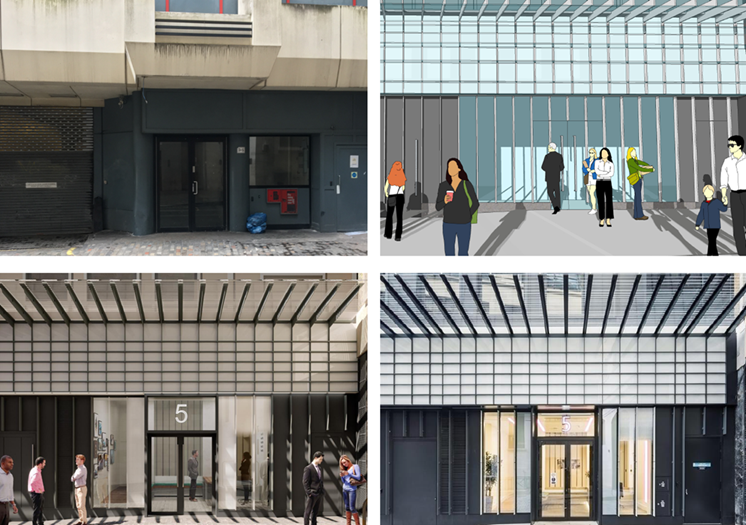
Investment in retrofit can improve asset resilience, support ESG objectives, enhance tenant appeal and reduce operational costs. It can also offer faster delivery programmes and smoother planning pathways compared with new-build alternatives. As energy performance becomes a more significant factor in property valuation and occupier decision-making, retrofit is increasingly a value-creation strategy rather than simply a compliance exercise.
A Collaborative Approach
Unlocking the full potential of existing buildings requires collaboration across disciplines. Architects, engineers, sustainability consultants and specialist contractors all play a critical role in identifying opportunities and delivering innovative solutions.
At Chetwoods, we continue to explore how material reuse, digital optimisation, embodied carbon analysis and wellbeing-led design can transform existing assets into high-performing, future-ready environments. By embracing innovation, retrofit becomes more than an upgrade—it becomes a catalyst for regeneration.
Looking Ahead
The UK's journey towards net zero will be defined as much by the buildings we already have as by the ones we design next. With billions of pounds of property requiring energy upgrades within the next decade, the challenge is significant, but so is the opportunity.
At Chetwoods, we believe retrofit and adaptive reuse will play a central role in shaping a more sustainable built environment. By improving performance, reducing carbon and unlocking hidden value, we can transform existing buildings into assets that are fit for the future—proving that progress does not always require starting again.
Value Beyond Carbon
Retrofit is also about more than technical performance. Many buildings have cultural, historical, or community significance. Adaptive reuse preserves this heritage while offering a new purpose. Whether reimagining under-performing logistics facilities, redundant offices, or heritage assets, adaptive reuse creates buildings that combine continuity with transformation, places that embody both memory and modernity.
Commercial Benefits
For clients, retrofit must deliver tangible returns. Upfront costs may at times exceed those of a new build, but value emerges in other forms: faster planning pathways, quicker delivery, stronger ESG credentials, and higher tenant appeal. Investors and occupiers increasingly view retrofit as an environmental and reputational differentiator. Adaptive reuse demonstrates a commitment to sustainability, corporate responsibility, and community value.
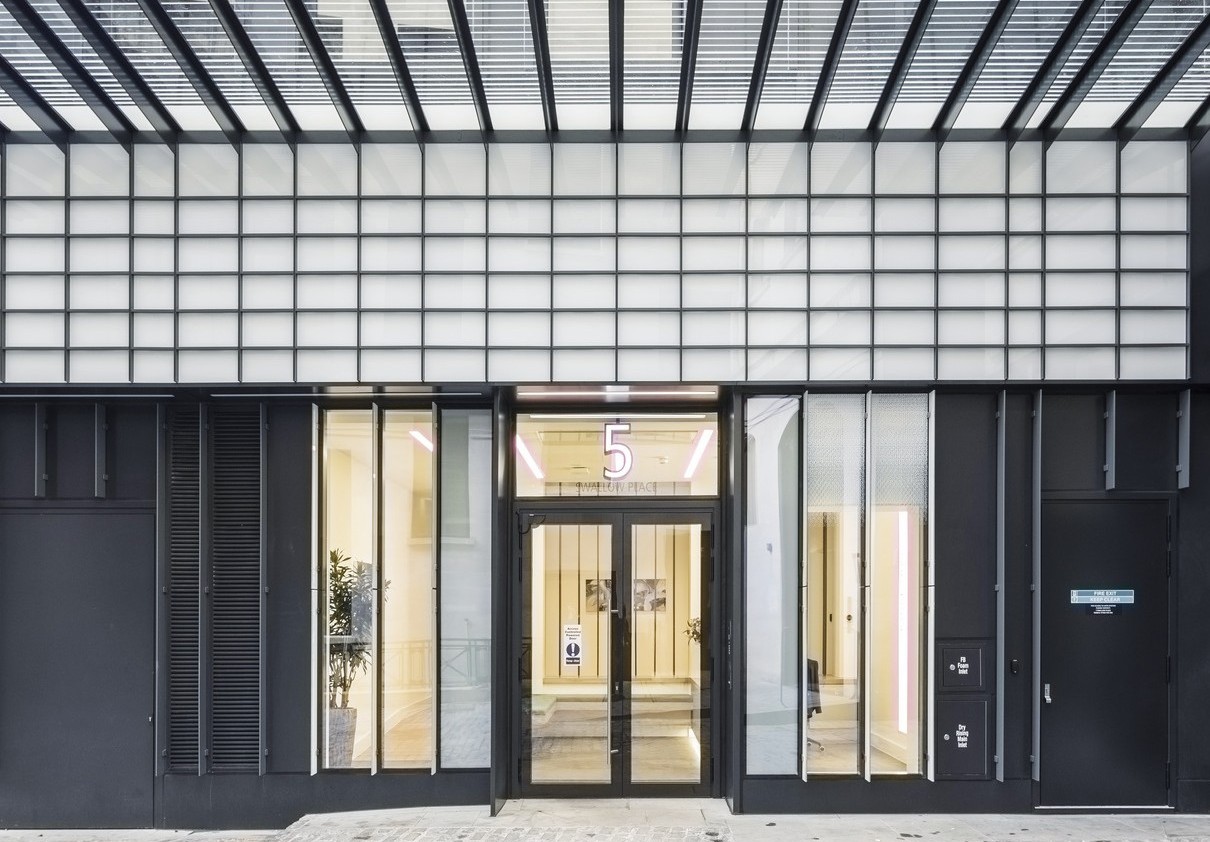
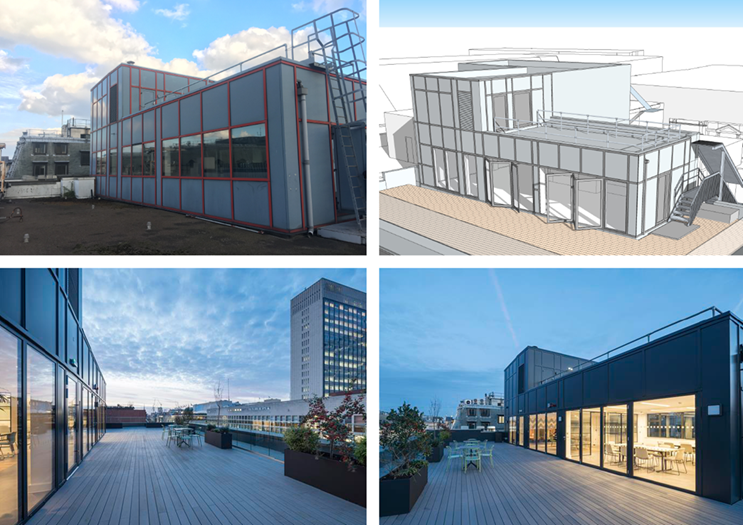
Images show before and after retrofit/refurbishment by Chetwoods for The Crown Estate at 5&7 Swallow Place, London
Article tags
Share this insight
Related projects